
And now for something completely different
Using the Performing Arts to Fight Fascism

I find myself increasingly listening to calming classical music as I attempt to take a break from the unceasing assault of newsfeeds from the Middle East war. A world apart from our experiences today in the 1940s, the higher forms of the performing arts allowed audiences not only to briefly escape their hardships but to imagine a better future. I found the words of Eve Kisch, writing in 1943, deeply resonated with me this week:
Call it escapism if you like; but the present general urge to listen to Beethoven symphonies is very different from the ostrich mentality which sets night clubs and music halls booming all over a wartime world. Rather it is as if the ordinary person finds some sort of spiritual anchorage in witnessing drama that bears no relation to the spatial world, but is played out between characters existing only in the dimension of time and tune.1
Miss Kisch was an organiser of the Committee for the Encouragement of Music and Arts (CEMA) in the North of England during the Second World War. During the war, groups such as CEMA, the Entertainment National Services Association (ENSA), and Army Welfare Services (AWS) made classical music, opera, and ballet available to a broader section of the British public to maintain morale. These efforts to transcend fascism through art echoed the sentiments of that quintessential Englishman, Leslie Howard, whom I wrote about last time. In this post, I’ll examine how the performing arts were weaponised in Britain during the war, look at the popularity of performing arts on the home front and among the troops serving abroad, especially in Italy, and consider how far the arts really extended beyond the chattering classes.
Many commentators have described a democratisation of the arts in Britain during 1939-45, mirroring the idea of a People’s War.2 But it is important to recognise how alien the idea that the arts should be orchestrated and funded centrally by the state to the British. The concept of providing a direction for national culture was eyed with suspicion and had a faint whiff of Bolshevism or Nazism in 1939. The commonly held belief was that the performing arts should rely on private donations and wealthy patrons rather than on the state.3 Yet only seven years later, the Arts Council of Great Britain was given a royal charter and a stipend from the public purse, seeing a significant reversal in attitudes towards the arts. So what happened? It’s difficult to talk about the performing arts without mentioning that state institution, the British Broadcasting Company.
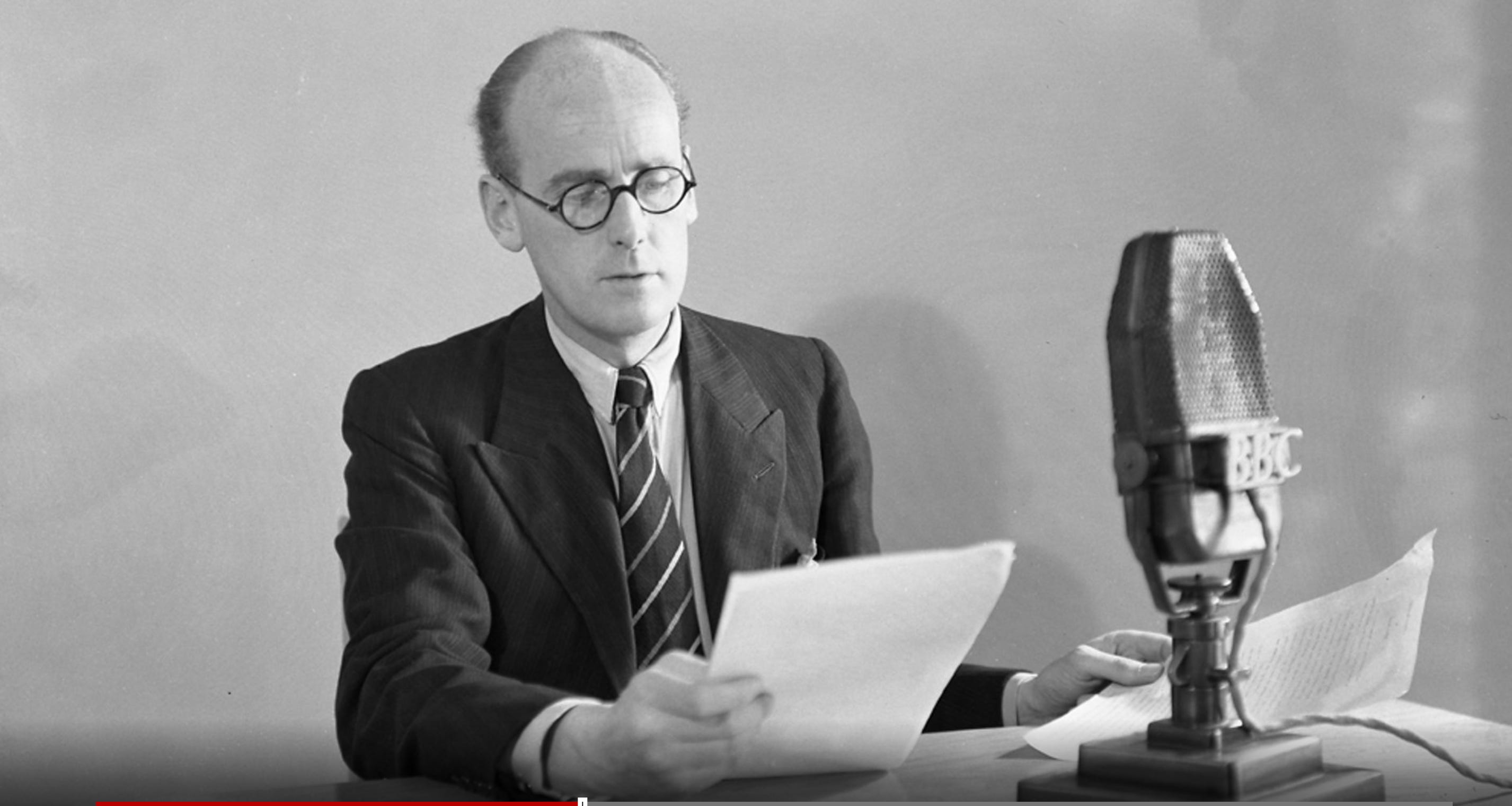
When public entertainment venues were temporarily closed at the start of the war, the BBC’s varied radio programming schedule was suddenly replaced by wall-to-wall solemn, austere classical music. Working closely with the BBC, the Ministry of Information struggled to agree on appropriate wartime content for the masses.4 It was easier to play safe, if dull, music than to let news commentators speak freely on the radio and risk giving away sensitive information to the enemy, or, worse, undermining public morale. Conveniently, there was a strong Reithian sentiment for the decision to play classical music on the BBC’s radio service during these first few weeks of war. It followed the idea that it was “better to overestimate the mentality of the public than to underestimate it.”5 However, Lord Reith was not one to be influenced by public opinion; a census of the BBC’s output in 1939 showed that 93% of the audience would rather listen to variety than classical music.6 Ed Stourton wrote in his excellent account of the BBC during the war:
“The Ministry [of Information] was the embodiment of what we now call the nanny state, and understood itself as a mixture of national cheerleader and policeman, keeping everyone’s spirits up, but also telling them how to behave.”7
Auntie Beeb (and the Ministry of Information) knew best, so just shut up and listen quietly please (and don’t panic)! Braced for hordes of German bombers and gas attacks, the expected moral panic did not materialise in the opening months of the war - at least for the British. It was boredom that became a greater threat to morale as the La drôle de guerre settled into months of inaction. Regular programming soon returned to the BBC airwaves, even if there was not a lot to report.
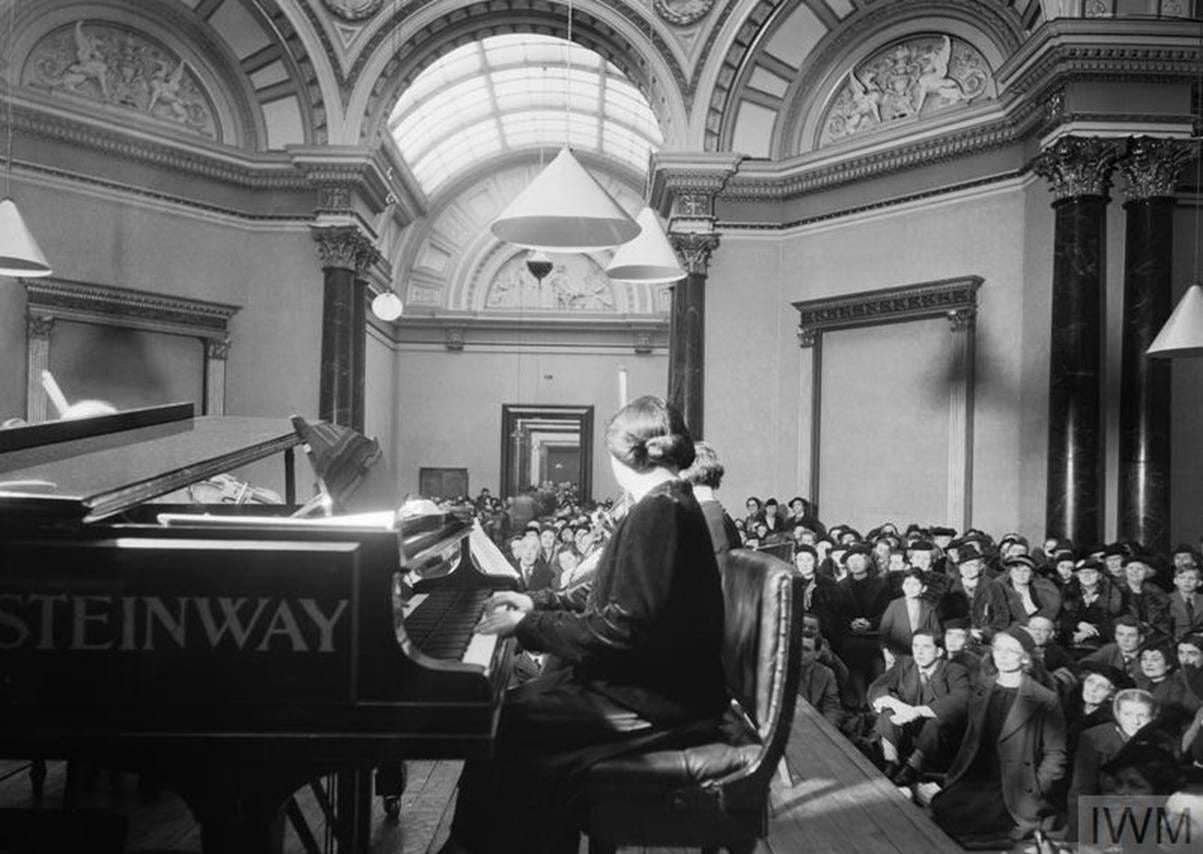
After using classical music to distract the population, the performing arts took on a more uplifting role as the war progressed. Within a few weeks of the start of the war, Dame Myra Hess began playing free lunchtime piano recitals at the National Gallery. These were very popular, attracting some 800,000 people to almost 2000 concerts during the course of the war.8 There’s a great video of Myra Hess’s important wartime work here:
The sudden closure of the theatres and drying up of private funding due to the war had a devastating effect on the performing arts. By the end of 1939, only about 1% of England’s professional actors were working according to Equity, not to mention the many thousands of staff who worked in the theatres backstage.9 The Pilgrim Trust worked tirelessly to find work for actors, musicians, singers, and painters who had lost their livelihoods as a result of the outbreak of war.10 In January 1940, the Trust formed CEMA to produce “sophisticated, educationally improving performances for the forces”.11 Surprisingly, the Treasury decided to support this modest venture - something that was unheard of before and an indication of the importance of the performing arts during the war. Calder explains:
The establishment of CEMA, and the remarkable spate of official hand-outs to music and the theatre, reflected, it should be stressed, a quite disinterested desire on the part of the Establishment that war should not crush beauty and the arts which expressed it.12
CEMA’s modest cause was further defined in the minutes of their second meeting:
“We are engaged in a War to defend civilisation, such a policy can only have meaning if the people behind it believe intensely in the value and reality of their own cultural roots.”13
Heady stuff and a world away from George Formby’s Hang Out Your Washing on the Siegfried Line!
CEMA did not operate overseas, but its lower-brow, variety-focused cousins, ENSA, took up the baton. ENSA’s Director, the impresario Basil Dean, saw an opportunity to provide ‘good’ music, opera, and ballet to the troops fighting abroad. An article in The Times published shortly before ENSA travelled to the Normandy beachhead in 1944 outlines the role of high-brow entertainment:
Mr Dean stated that at a later stage in the operations ENSA would ask to be allowed to send over some of the leading British orchestras. It is intended to give special attention to music, which only follows what he thought might be termed the almost ravenous desire of the troops for good music these days.14
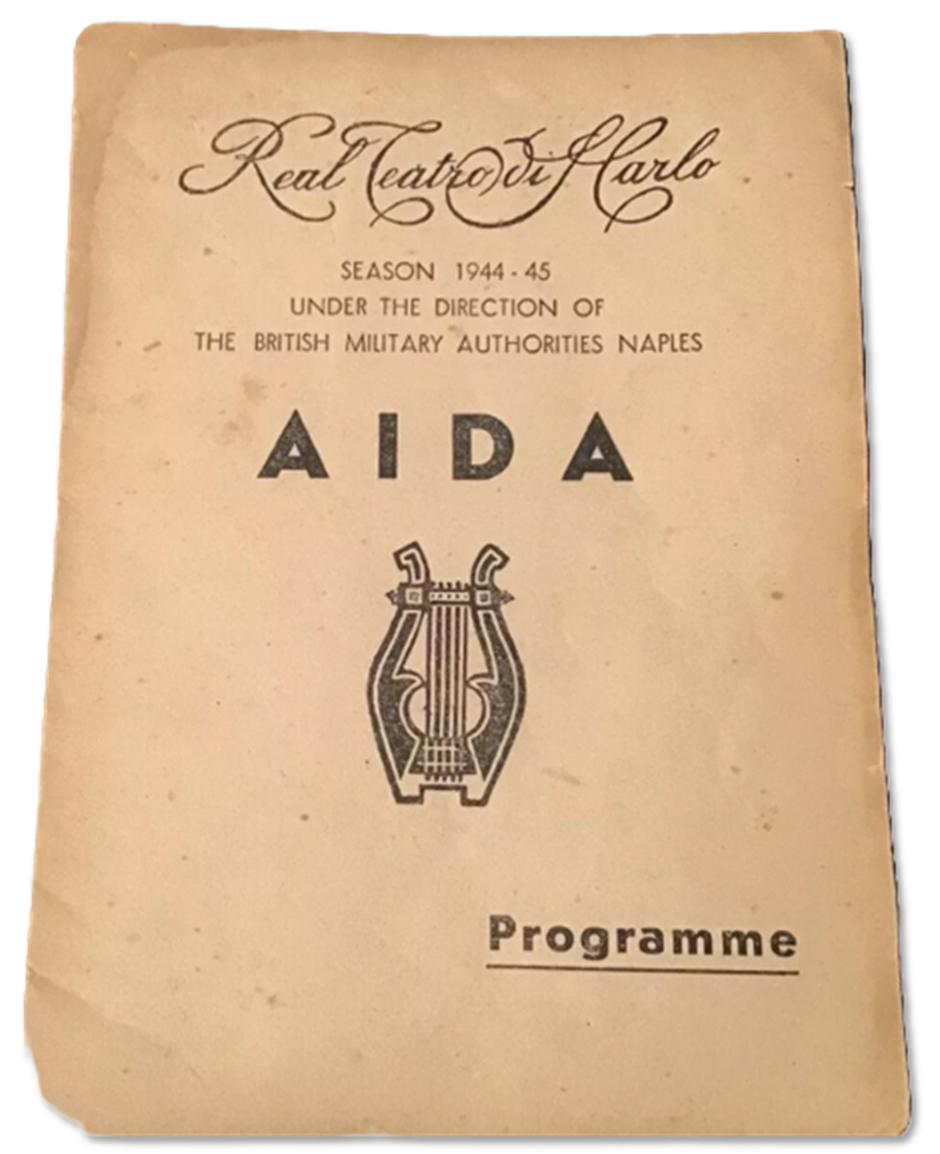
Symphony concerts, opera, ballet, and piano recitals were very popular with the troops serving in Italy, according to the AFHQ Morale Report for September 1944, which highlighted its role in maintaining morale.15 Gunner Spike Milligan, whilst on leave before going up to the Italian front, writes how he visited Teatro Garibaldi one afternoon looking for a piano for his band.
As I entered I hear someone playing a splendid rendering of the Liszt Concerto No.2 in B Minor. The pianist was a young American sergeant.16
Classical music and opera were often the background music heard by troops visiting Italian cities during the war. It is hardly surprising, given the availability of local classically trained performers and magnificent opera houses.
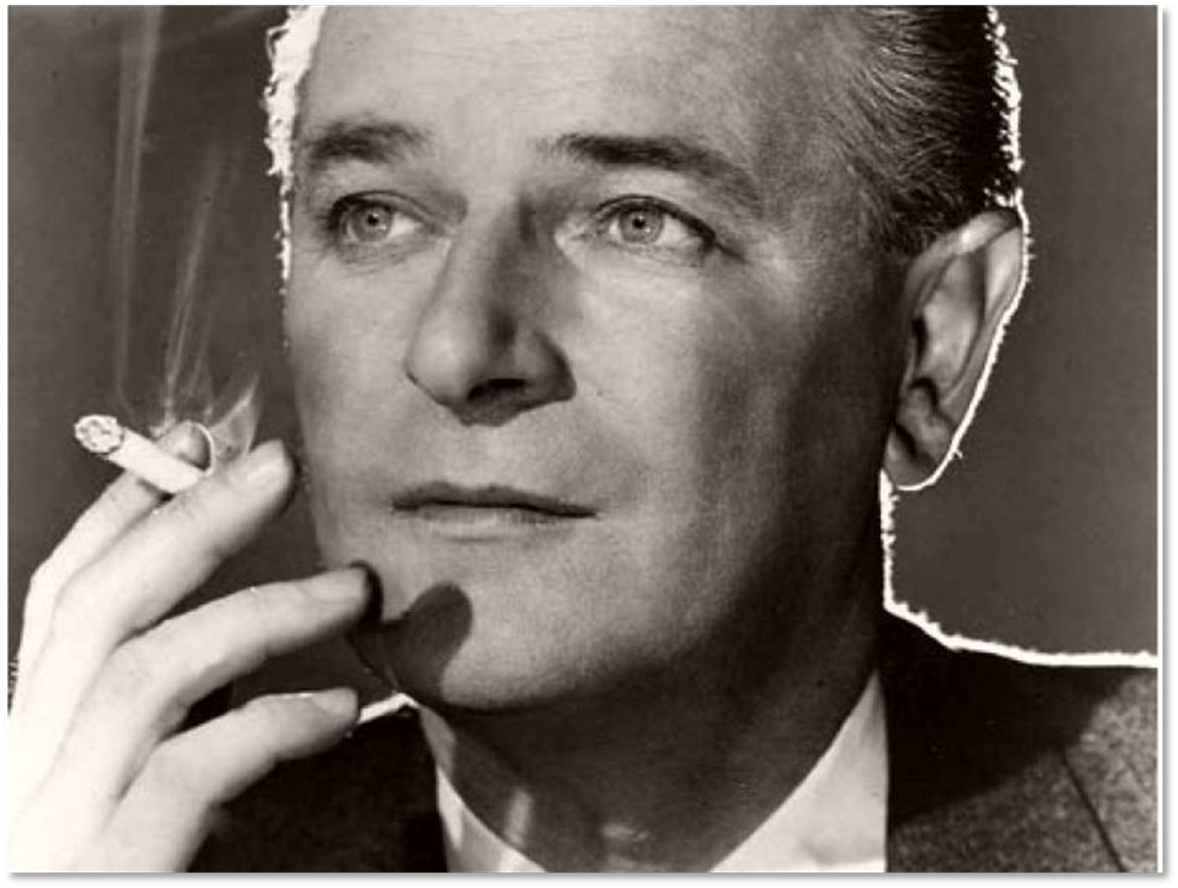
Colonel Nigel Patrick, ENSA Liaison Officer (and star of the silver screen himself), described how opera captured the imaginations of the troops:
‘It was incredible to watch… “the brutal and licentious” queuing outside the San Carlo in Naples to pay their thirty bob to go in, which was a lot of money to a soldier. They became absolute addicts. They were the sort of people who would never, in a million years, have gone to opera in Civvy street. … They went and loved it and became mad about it because, of course, one heard the best. It was not unusual to hear two squaddies discussing the merits of various sopranos in the most strong barrack-room language.”
It is tempting to claim this love of opera and other more refined entertainment shows the democratisation of culture and the lowering of class barriers, but Patrick’s comment about ‘the brutal and licentious’ would suggest otherwise. Regardless, soldiers of all ranks and social backgrounds seemed to enjoy higher forms of entertainment in Italy.
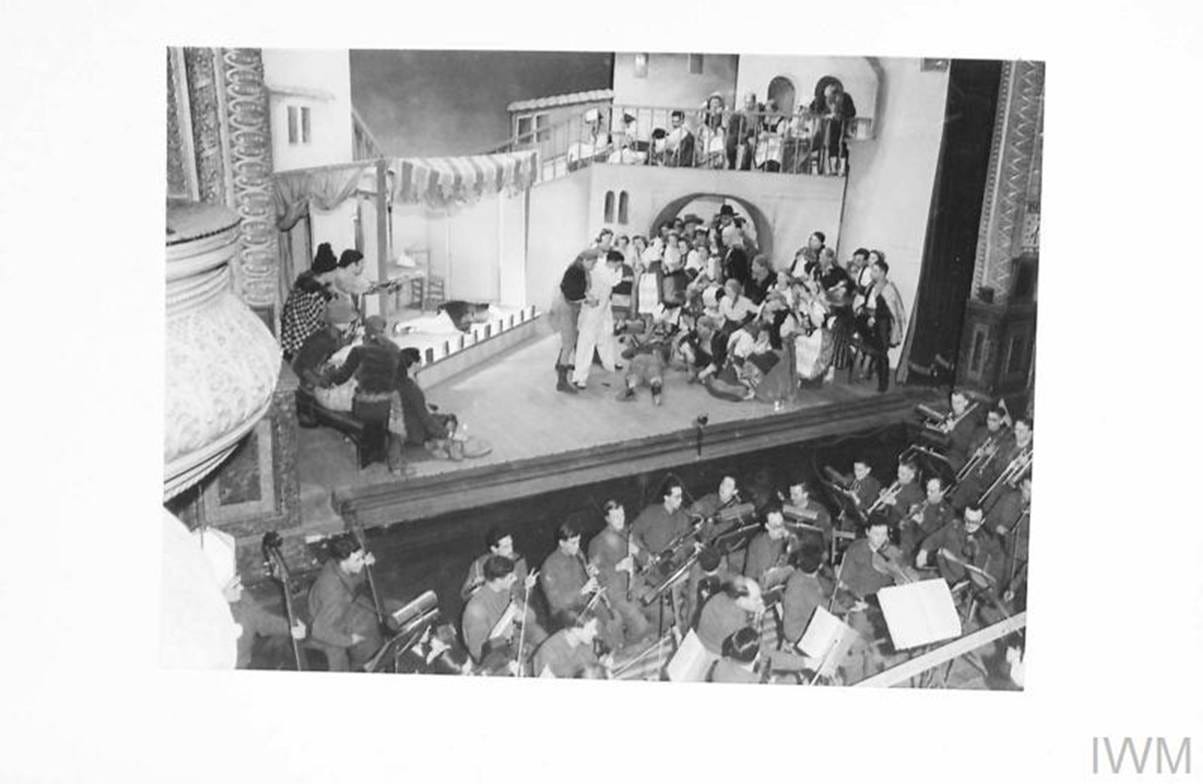
The Army Welfare Services seized on the opportunity to use the performing arts as a source of entertainment shortly after the invasion of mainland Italy. They requisitioned the San Carlo opera house in Naples and staged their own productions with local Italian talent. Under the supervision of the AWS, the Central Pool of Artistes set up classical music units to entertain their fellow troops.17 As the war progressed (and especially after the end of hostilities), performers, like Spike Milligan, already serving in the ranks in Italy were encouraged to join the Central Pool of Artistes. When the great English conductor and cellist, John Barbirolli, and his Halle orchestra were prevented from touring Italy towards the end of the war, there was genuine concern by the authorities about how it might affect the morale of the troops:
The visit of Mr. John Barbirolli to give concerts with local orchestras at Naples, Bari and Malta, eagerly anticipated by the troops, who are showing an increasing love for good music, has had to be abandoned. Owing to this conductor’s engagements in this country, this visit cannot take place this year.18
The evidence shows that the performing arts were enthusiastically embraced by servicemen and women fighting overseas. As Leslie Howard is quoted as saying, “the mind will always triumph over brute force in the long run…”
At the time, there was optimism that this cultural renaissance would lead to a better future for Britain. In 1946, Collie Knox wrote hopefully about the future of the performing arts:
During the war, millions of our serving men became enthusiastic playgoers by virtue of the companies which, under ENSA’s banner, travelled to the theatres of war. By the same token, the troops discovered good music and loved it, because many of our finest musicians brought good music to them. These men, and women, too, are the audiences of the immediate future.19
A keen proponent of a National Theatre, Basil Dean wrote in August 1945:
Both drama and music should be given essential places in the planning of a new deal for the people of Britain.20
The concept of a state-subsidised performing arts programme espoused by CEMA was enshrined in post-war Britain with the Royal Charter for the Arts Council on 9 August 1946. However, the extent to which higher forms of art were actually democratised during the war has been debated. Weingärtner points out that whilst making high-brow arts more widely available, CEMA failed to reduce the ticket prices. Rather than achieving ‘vertical democratisation’ across all classes, it achieved a ‘horizontal democratisation’ among those who could already afford it.21 This may have been true for the home front, but overseas, especially in Italy, opera and classical music were made available to all ranks for free or a relatively low cost – even for the ‘brutal and licentious’ as comrade Nigel Patrick described.
Eric Taylor, Showbiz Goes to War (Hale, 1992), p. 118.
Jeremy Black and Donald M. MacRaild, Studying History, Macmillan Study Guides, 2. ed (Macmillan, 2000), p. 110; Richard Hoggart, A Sort of Clowning (Life and Times, Volume II: 1940-59), Life and Times, 2 (Oxford University Press, 1991); Jeremy A. Crang, The British Army and the People’s War, 1939-1945 (Manchester university press, 2000), p. 139.
Jörn Weingärtner, The Arts as a Weapon of War: Britain and the Shaping of National Morale in World War II, First edition (I.B. Tauris, 2005), p. 4, doi:10.5040/9780755626267.
Taylor, Showbiz Goes to War, p. 20.
Sian Nicholas, ‘The People’s Radio: The BBC and Its Audience 1939-1945’, in ‘Millions like Us’? British Culture in the Second World War, ed. by Nick Hayes and Jeffrey Hill (Liverpool University Press, 1999), pp. 62–92 (p. 65).
Tony Lidington, ‘Don’t Forget the Pierrots!’: The Complete History of British Pierrot Troupes and Concert Parties (Routledge, 2023), p. 199.
Edward Stourton, Auntie’s War: The BBC during the Second World War (Black Swan, 2018), p. 89.
Theatre and War, 1933-1945: Performance in Extremis, ed. by Michael Balfour (Berghahn, 2001), p. 63.
‘WE’LL HANG OUT OUR WASHING’, BAY OF PLENTY TIMES, 27 January 1940, VOLUME LXVIII, ISSUE 12952 Edition, p. 7, National Library of New Zealand.
John Graven Hughes, The Greasepaint War: Show Business 1939-45 (New English Library, 1976), p. 56.
Lidington, Don’t Forget the Pierrots!, p. 289.
Angus Calder, The People’s War: Britain 1939 - 1945, Reprint (Pimlico, 2002), p. 509.
Weingärtner, The Arts as a Weapon of War, p. 68.
The Times, 28 July 1944.
‘WO 204/6701: A.F.H.Q. Morale Committee Meetings and Reports, 1943 Dec. - 1945 Mar’, TNA [The National Archives], n.d., WO 204/6701: A.F.H.Q. Morale Committee meetings and reports, 1943 Dec. - 1945 Mar.
Spike Milligan, Mussolini: His Part in My Downfall, 4 (Viking, 2012), p. 196.
Richard Fawkes, Fighting for a Laugh: Entertaining the British and American Armed Forces, 1939-1946 (Macdonald and Jane’s, 1978), p. 84.
‘T 161/1162 Treasury: Supply Department Registered Files (S Series)’, TNA [The National Archives], n.d., fol. 6, T 161/1162.
Collie Knox, It Had to Be Me (Methuen & Co Ltd, 1947), p. 202.
‘IWM LBY 37973-8 ENSA Scrapbook: Director’, Scrapbook, n.d., IWM, IWM LBY 37973-8.
Weingärtner, The Arts as a Weapon of War, p. 11.